Know Before You Visit
Welcome to the ultimate insider’s guide to navigating our coastal paradise! Whether you’re here to witness the first sunrise in the U.S. atop Cadillac Mountain or to find that perfect, tucked-away lobster shack, a little local wisdom goes a long way. Bar Harbor is where rugged wilderness meets refined charm, and while its beauty is effortless, getting the most out of your stay requires a bit of strategy. From navigating the tides of Frenchman Bay to mastering the Island Explorer shuttle, we’ve gathered the essential "Know Before You Go" tips to help you skip the guesswork and dive straight into the adventure.
From its pine forests and pristine lakes to its rugged coastline and quiet coves, Maine’s wild beauty isn’t just something to see—it’s the quiet force that forges our very experiences and shared stories. Here, every adventure is made possible by a natural and cultural landscape that deserves our respect and care. That’s why we’re inviting you to Look Out for ME.
Rooted in decades of research and the 7 Principles of Leave No Trace, this initiative empowers you to be a good guest—on the trails, in small towns and everywhere in between.
By picking up after yourself, sticking to marked trails, supporting local businesses and honoring the culture of our lands, you help ensure Maine stays Maine—for today and for generations to come.
1. Know Before You Go
- Know the Rules and Be Prepared: Research local regulations, including permits and fire restrictions, on sites like Visit Maine. Pack plenty of food, water, and the other “Ten Essentials” before heading out on your adventure.
- Respect Private Land: Many landowners allow recreation on their land, but it’s up to you to confirm permission before entering.
- Recognize Working Forests and Waters: Maine’s landscapes are not just for recreation—they’re also active, productive environments that support local livelihoods and communities. Forests may be actively logged; waterways are used for lobstering, clamming, aquaculture, and transport. For everyone’s safety, maintain a safe distance from active logging operations, and do not disturb working docks, fishing equipment, traps or buoys.
- Plan for Changing Weather: Maine’s weather can turn fast—be weather wise and pack layers, rain gear and check the forecast before heading out.
- Be Prepared to Share the Space: Outdoor recreation in Maine welcomes everyone. Have an alternative plan in case the parking area is already full.
- Respect Group Limits: Smaller groups can reduce environmental impacts and preserve solitude.
- Seek Expert Advice: Registered Maine Guides and outfitters can help you safely explore places and activities you wouldn’t go on your own.
2. Travel and Camp on Durable Surfaces
- Stay On Designated Trails: Staying on the trail protects fragile plants, keeps you away from hazards like poison ivy and ticks, and helps avoid forestry equipment.
- Set Up Smart: Use established campsites to avoid damaging new areas.
- Avoid Trampling Fragile Areas: Vegetation and soils in Maine’s alpine zones and coastal islands can take years to recover from a single step.
- Respect Seasonal Closures: Avoid muddy trails to prevent lasting damage. If you have to pass through wet or muddy trails, walk down the middle of the trail to avoid widening the path and causing further damage.
3. Dispose of Waste Properly
- If You Pack It In, Pack It Out: Carry out all trash, including food scraps and biodegradable waste like fruit peels. Bonus points for packing out trash you find along the way.
- “Go” Before You Go: Use available restrooms before your adventure. And, if there’s no restroom, dig a 6-8 inch hole and bury waste at least 100 feet from trails and water.
- Adhere to Land Manager Recommendations: In some places, packing out all solid human waste using a WAG Bag is the best way to reduce soil and waterway contamination. Be sure to know the regulations before your adventure.
- Bag & Carry Pet Waste: Dog waste doesn’t belong in nature—pack it out and put it in the trash.
- Wash with Care: Use biodegradable soap at least 200 feet from water, disperse strained dishwater, and carry out food scraps to an available trash can.
4. Respect Maine Culture and Leave What You Find
- Learn about the Wabanaki Nations. Today, the four federally recognized tribes in Maine are the Houlton Band of Maliseet, Mi’kmaq Nation, Penobscot Nation, and Passamaquoddy Tribe, known collectively as the Wabanaki Nations and “People of the Dawnland.” Wabanaki people have inhabited the land we now call Maine since time immemorial. To learn more about Wabanaki Nations visit the Wabanaki Alliance.
- Respect Cultural Sites: Observe historic structures and artifacts but leave them untouched, and only visit areas open to guests. Taking or moving historical artifacts can erase some of our only records of that history.
- Please don’t disturb forestry equipment or coastal traps, buoys or gear. Maine’s working forests and waters are an active part of many Mainers’ livelihoods. It’s also a good idea to stay off docks unless invited.
- Take Only Pictures: Rocks, driftwood and plants provide habitat and nutrients.
- Don’t Disturb Rock Cairns: Those stacked rock formations? They mark the trail—don’t move or build new ones.
- Stop Invasive Species: Buy firewood locally, clean your boots and gear, and clean, drain and dry watercraft before and after visiting.
5. Minimize Campfire Impacts
- Follow Fire Restrictions: Maine’s dry seasons mean fire bans—always check first. If fires are permitted:
- Do you need a Recreational Fire Permit? Many areas of Maine will require you to have a permit for your campfire. Check here first to avoid issues later.
- Use Fire Rings: Only build fires in approved sites.
- Gather Small & Dead Wood: Protect Maine’s mighty forests – never cut branches or peel bark from live trees. If you’re bringing firewood, buy near where you will burn it.
- Use Water to Drown Your Fire: Fully extinguish fires with water before you leave.
- Consider Using a Stove: It’s safer, easier, and reduces impact. Lanterns and string lights make for great campsite ambiance instead of a campfire.
6. Respect Wildlife
- Watch From A Distance: Use binoculars or a zoom lens—getting too close will stress animals and be dangerous.
- Never Feed Wildlife: It can change their behavior and can make them dependent on humans.
- Protect Habitat: Stay out of nesting areas and keep pets leashed.
- Store Food Securely: Use animal-resistant containers to store your food.
- Be Aware of Seasons: Give extra space during breeding and migration times – be aware that some hiking and climbing areas are closed seasonally during nesting season.
7. Be Considerate of Others
- Travel Thoughtfully Through Maine’s Towns: Responsible visitation makes a difference in town, too. Some Maine communities have local norms for respectful visitors. Among other things, parking in designated spots is essential. Please also be respectful of pedestrians, cyclists and speed limits when in town.
- Yield to Others on Trails: Uphill hikers, equestrians, and working vehicles or equipment have the right of way.
- Keep It Quiet: Let nature be the soundtrack—avoid loud music and shouting.
- Pick Up After Pets: It’s a shared space—keep it clean.
- Be Courteous at Boat Launches and on the Water: Have patience at boat launches and make sure to share these public spaces. Give space to anglers, paddlers, and boaters, and remember, there’s no swimming at water-access sites. Swimming access points can be found here.
- Respect Maine’s “Open Land” Tradition: In many places, private landowners allow recreational access. Show your appreciation by seeking permission, treading carefully, and educating yourself on this uniquely Maine tradition.
- Give Back: Look for ways you can give back to the communities and organizations that make Maine’s outdoors great. Consider integrating volunteer work into your trip, or make a donation to local conservation groups.
Make your trip as easy as possible by downloading these three apps before you arrive:
- Take your itinerary on the go with the official Visit Bar Harbor App.
Download the Visit Bar Harbor App
- Make paying for parking in downtown Bar Harbor a breeze with the ParkMobile App.

Click to download the ParkMobile App
- Get up-to-date information on the latest trail conditions with the NPS App.
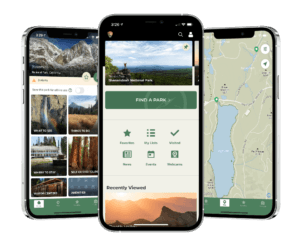
Download the National Park Service App
- The downtown of Bar Harbor is comprised of a network of four main streets and several narrow side roads.
- If you choose to bring your vehicle into town, note that from May 1st to October 30th downtown Bar Harbor utilizes a paid parking program which is enforced between the hours of 8:00 am to 9:00 pm, Monday through Saturday, and 12:00 pm to 9:00 pm on Sunday.
- The parking rates range from $2.00 per hour to $6.00 per hour (depending on location) with certain high-demand areas having 4-hour limits and other areas with no limits.
- Accessible Parking: Vehicles that exhibit a permanent placard, a temporary placard, or a disability registration plate may park anywhere in a paid or permit area without a charge or permit. For areas with time limit, these vehicles may remain parked for up to twice the time limit.
- More details about the program, can be found on the Town of Bar Harbor's parking information web page.
- All major credit/debit cards are accepted as well as Town of Bar Harbor tokens, but no paper money. For the best experience, be sure to download the Park Mobile app before you arrive so you can quickly and easily pay for your parking space right from your phone.
Click to download the ParkMobile App
Or...Leave Your Vehicle Behind!
Bar Harbor, like many New England towns, is best experienced on foot. Park your car and stroll through our downtown or walk along the waterfront for the full Bar Harbor experience.
- In the summer and fall, the Island Explorer buses link the Acadia Gateway Center, hotels, inns, and campgrounds with destinations in Acadia National park, Bar Harbor, and neighboring village centers. This fare-free service is a great way to explore the area while leaving your car behind.
- If possible, leave your vehicle at your hotel, lodging establishment, or, for day-trippers, the Acadia Gateway Center, when you travel into downtown Bar Harbor to help minimize the number of cars on our roadways.
- Those cycling into town will find bike racks conveniently located throughout the village.
- Additional transportation options can be found here!
Bar Harbor and Mount Desert Island are beautiful year-round, but because we're tucked between the rugged Atlantic Ocean and the peaks of Acadia, the weather here likes to keep you on your toes. Whether you're chasing the first light on Cadillac Mountain or cozying up by a fireplace downtown, here's what to expect from our Maine seasons.
Bar Harbor 7 Day Forecast (Fahrenheit)
Bar Harbor 7 Day Forecast (Celsius)
What to Expect Throughout the Year
Spring
- Vibe: Quiet, misty, and lush
- What to expect: Spring on the Island is a refreshing mix of sunny afternoons and "liquid sunshine" (fine coastal mist). April and May are cool and crisp, with daytime highs in the 50s and 60s (10°C to 20°C), though nights can still dip toward freezing. It's the perfect time to see the park's waterfalls at full volume and the gardens beginning to bloom.
- Pro Tip: Pack waterproof boots and plenty of layers.
Summer
- Vibe: Vibrant, breezy, and sun-drenched.
- What to expect: This is our peak season for a reason. Temperatures typically hover in the 70s and low 80s (21.1°C to 28.9°C), tempered by a constant, salty sea breeze. While the sun is warm, the fog often rolls in during the mornings, giving the coastline a mystical, "Downeast" feel before burning off by noon.
- Pro Tip: Even on the hottest days, the temperature drops when the sun goes down. A packed light sweatshirt is recommended.
Fall
- Vibe: Crisp air and a kaleidoscope of color.
- What to expect: September and October are many locals favorite months. The humidity vanishes, leaving behind bright blue skies and sharp, cool air. Highs range from 50°F to 60°F (10°C to 15.6°C), making it the ultimate hiking weather. Peak foliage usually arrives in early-to-mid October, turning the island into a sea of crimson and gold.
- Pro Tip: Bring a warm jacket for sunset views. The wind on the mountain summits can be significantly colder than in town.
Winter
- Vibe: Peaceful, dramatic, and starkly beautiful.
- What to expect: Winter is for the intrepid. You'll find snow-dusted carriage roads and crashing surf that feels truly surreal. Temperatures average in the 20s and 30s (-6.7°C to 3.9°C), and while snow is common, our coastal location means we get a mix of ice and rain, too.
- Pro Tip: Many shops take a "winter nap," but the beauty of a snow-covered Acadia is a reward all its own. Traction footwear (like ice grippers) is highly recommended for hikers.
Many know Cadillac Mountain as the place in Acadia National Park to enjoy the sunrise or the sunset, but did you know that there are numerous other spots to catch those golden rays? Similarly, Bass Harbor Head Light is one of the most popular sunset destinations on the western side of Mount Desert Island and has extremely limited parking. With Acadia National Park's vehicle reservation system for Cadillac Mountain (click the link for dates and availability) and Bass Harbor Head Light's limited parking, we're sharing alternative locations to take in the glorious beauty of sunrises and sunsets on Mount Desert Island.
Sunrise
There are plenty of locations that offer fantastic vistas perfect for viewing the sunrise. Within Acadia National Park and Mount Desert Island, the first thing you need to do is make sure you are at one of several eastward-facing locations or a place on the eastern side of the island.
- Enjoy the sunrise from your car: Parking alongside Ocean Drive or at Schooner Head Overlook is a sure bet for some amazing views of the sunrise! Bring coffee and breakfast to-go for an extra enjoyable experience.
- Hike: For the adventurous, consider a morning hike to the summit of your favorite mountain where you can take in the first glimpse of sunshine.
- Relax downtown: If you're feeling like a more leisurely start to your day, downtown Bar Harbor offers spectacular sunrise opportunities!
- Grant Park: There are park benches and plenty of manicured lawn space that make for an ideal sunrise picnic location. Grab your morning coffee or breakfast to-go to enjoy during the sunrise.
- The Town Pier: Go for a dazzling sunrise display over the water.
Sunset
To catch an unforgettable sunset on Mount Desert Island, choose one of several westward-facing locations in Bar Harbor or a place on the western side of the island.
- The Town Pier and Agamont Park: Both offer beautiful views of the sunset and make for a convenient location - a perfect place to relax before or after dinner (if after, ideally enjoyed with an ice cream!).
- The Bar Harbor Sand Bar: If you're up for a stroll and the sunset coincides with low tide (check out our section below on tides), walk out on the Sand Bar for a stunning sunset from the heart of downtown Bar Harbor.
- Book a sunset cruise: Feeling inspired to get out on the water? Find a boat tour and book your ticket to golden hour!
- Consider dinner or dessert on the patio at one of the seaside restaurants where you can enjoy your meal with a stunning sunset view.
For other tips on finding the perfect location for your sunrise and sunset experiences, stop by the Bar Harbor Chamber of Commerce Visitor Information Center at 2 Cottage Street, Bar Harbor, or call us at (207) 288-5103.
Some of our favorite spots, like the Bar Island Land Bridge, are only accessible for a few hours a day. Always check the tide chart before you trek!
Acadia National Park is our region's crown jewel. Our business community employs a strategy of responsible tourism that will protect Bar Harbor and Mount Desert Island’s natural beauty and resources for future generations.
Local nonprofit A Climate to Thrive (ACTT), formed in 2016, focuses on the goal of energy independence for Mount Desert Island by 2030. In 2019, ACTT helped Mount Desert Island High School install a rooftop solar array to provide 100% of the electrical demand for the high school. Organizers continue to drive change in food systems, solid waste, building efficiency, transportation, and especially in the shaping of public policy. Click here to visit their website for access to resources and ways you can help keep Bar Harbor beautiful during your stay.
Suggestions for sustainable practices to reduce waste and energy during your visit
Use your refillable water bottle at these water fountains and refill stations
- Acadia National Park: Sand Beach parking area, Jordan Pond House, Sieur de Monts Spring, Cadillac Mountain Summit, and Echo Lake. Most picnic areas have water fountains.
- Bar Harbor: Ballfield by the public restrooms - Park Street
- Northeast Harbor: Marina Visitor Center, Clifton Dock, Seal Harbor (fountain by the beach)
- Southwest Harbor: Mt. Desert Spring Water, Saint Dreux’s coffee and ice cream shop outside seating area (10 stage filter. Available 24 hours free of charge.)
Bring Your Own Bags
All four towns on Mount Desert Island have passed ordinances to ban single-use plastic carryout bags and polystyrene (styrofoam) cups and containers through the efforts of local middle school students and community volunteers. Many stores offer for sale reusable bags if you find yourself out without a bag.
Use Public Transportation
From mid-June to mid-October, Acadia National Park is proud to provide the FREE Island Explorer Buses to reduce your carbon footprint, pollution, and traffic and parking hassles.
Drive Your Electric Vehicle (EV)
There are plenty of charging options to support the use of electric vehicles during your trip to Mount Desert Island and Bar Harbor. Additional chargers are often being added. The map below shows charging station locations according to PlugShare.com as of July 1, 2024.


Don't have an electric vehicle of your own? Rent a low-speed EV from Acadia GEM and make your tour of Bar Harbor and Acadia National Park emissions-free!
Thank you for helping us preserve the natural beauty of Bar Harbor, Acadia National Park, and Mount Desert Island!

We are pawsitively certain there is no better adventure than here in Bar Harbor and Acadia National Park. This is a doggy destination that is not only pet-friendly but is one you’ll want to experience, too. Bar Harbor has plenty of places to stay, play and dine with your pup, while Acadia National Park was voted the most dog-friendly national park in New England by Outside Magazine.
Our list of pet-friendly Bar Harbor businesses has the answer for where to sleep, shop and eat with your four-legged family member. Bar Harbor’s even a great place to bring your dog if you’re planning a working vacation. And if you’re looking for ideas for where to walk and hike with your dog, here are just a few to get you started. Please be sure to review the guidelines about enjoying the national park with pets.
- Bar Island Trail
Low-tide walk to wooded island, accessible 1-1/2 hours on either side of low tide.
Difficulty: Easy
Trailhead: Bridge Street off West Street in Bar Harbor
Round-trip distanc - Schooner Head Path
Established path with views of ocean at Schooner Head Overlook, and of forest and mountains.
Difficulty: Easy
Trailhead: Schooner Head Overlook, east of Acadia Entrance Station on one-way park loop road
Round-trip distance: 5.4 miles all the way to Bar Harbor and back, but can turn around sooner - Compass Harbor Trail
Established dirt path to former site of park founder George B. Dorr’s estate, with a scenic ocean view
Difficulty: Easy
Trailhead: 1 mile south of Bar Harbor on ME 3, small parking lot on the left after Nannau Wood, a private road
Round-trip distance: 0.8 mile - Wonderland Trail
Evergreen forest trail to rocky coastline
Difficulty: Very easy
Trailhead: From Southwest Harbor head about 1 mile south on ME 102. Bear left onto ME 102A and follow for 4 miles to Wonderland Trail.
Round-trip distance: 1.4 miles - Cadillac Summit Loop Trail
Incredible, 360-degree views from the top of Cadillac Mountain along a paved walkway
Difficulty: Easy
Trailhead: Top of Cadillac Summit Road
Round-trip distance: 0.3-mile loop
Enjoy the outdoor beauty that Acadia and Bar Harbor have to offer with your dog. You don’t want to book a trip only to have to leave your best companion behind!
Photo credits:
- Heather Anderson (Heather & Maine on Instagram)
With a small bit of preparation, reaching Bar Harbor and Mount Desert Island is relatively easy. We have plenty of companies that provide transportation options aiming to make your visit as smooth and enjoyable as possible. Check out below for some tips around visiting our island community through various transportation means.
By Car
Bar Harbor is easily accessible by car. From Boston (about 280 miles) - follow Interstate I-95 through to Bangor (exit 182A - 395), then pick up Route 1A to Ellsworth, and follow Route 3 to Bar Harbor. Another route would be to take I-95 to Augusta, take Route 3 to Belfast over to Route 1 to Ellsworth, then back to Route 3 into Bar Harbor. Local taxi service is available from many airports, ferries, bus stations, and cruise ships.
By Boat
Since Bar Harbor is an island and a popular place for both sailing and powerboating, there are many suitable moorings. You should check with the Harbormaster's Office at (207) 288-5571.
By Air
Bar Harbor is serviced by a local airport, the Hancock County-Bar Harbor Airport, located just 12 miles from the village, and by Bangor International Airport, located only 50 miles away.
By Cruise Ship
A wonderful way to visit Bar Harbor is on one of the cruise ships that arrive in Bar Harbor each year. PortCall.com keeps a schedule of cruise ships looking to port in Bar Harbor each year.
Bar Harbor Chamber of Commerce
2 Cottage Street
Bar Harbor, ME 04609
(207) 801-2566
(Open Year-Round)
Acadia National Park
Hulls Cove Visitor Center
25 Visitor Center Road
Bar Harbor, ME 04609
(207) 288-3338
(Open May-October)
Acadia Gateway Center
42 Gateway Center Dr
Trenton, ME 04605
(207) 412-0182
(Open Late May-October)
Mount Desert Chamber of Commerce - Northeast Harbor
41 Harbor Drive
Northeast Harbor, ME 04662
(207) 276-5040 (seasonal)
(Open Memorial Day through Indigenous People's Day)
Southwest Harbor & Tremont
329 Main Street
Southwest Harbor, ME 04679
(207) 244-9264